
Cradle of Medicine — Ancient East
Ancient healing traditions, natural remedies and centuries-old wisdom that shaped the foundations of modern medicine.
Modern Western medicine accuses Traditional Eastern medicine of being useless and fraudulent, but if we turn to history, the first descriptions of disease treatment were discovered in Ancient Egyptian manuscripts over 4000 years old! The craft of healing originated and developed in the East, and only thousands of years later came to the West. Denying this enormous accumulated experience and priceless knowledge is extremely foolish.
Doctors of Ancient Egypt and Ancient China gifted humanity with their great discoveries, leaving numerous medical treatises that are still used by modern physicians today.
Already in Ancient Egypt, physicians knew that the brain and heart were the main organs, and used scalpels, tweezers, gynecological mirrors and catheters. Ancient Egyptian medical practice was so advanced that the Western world could not surpass it for many centuries after the fall of the Roman Empire.
In Ancient China, the great healer Hua Tuo at the beginning of our era used sutures during abdominal surgeries and anesthesia with opium and cannabis. It was in China that smallpox was first defeated, and qigong breathing exercises, whose benefits are undeniable, remain an ancient cultural heritage of the country and are popular all over the world.
Eastern medicine developed through constant observation, natural healing and deep understanding of the human body.
Faith in gods in Egypt and China did not interfere with the development of healing science. Ancient Eastern medicine gained experience through constant systematic observation and analysis of symptoms and diseases. Great attention was paid to the study of acupuncture points and the reactions of internal organs and the body as a whole. Considerable focus was placed on researching the medicinal properties of plants, which later became an entire branch of Eastern medicine — PHYTOTHERAPY.
In Europe, the church dominated reason, while doctors and scientists trying to help people were declared heretics, tortured and executed.
Already in Ancient Egypt and Ancient China people understood that cleanliness is the key to health: baths appeared in Ancient Egypt as early as 6000 years ago, and it was believed that every person should bathe regardless of wealth. Meanwhile in Europe, washing too often was considered sinful, while people rotted and died from plague, cholera and other infections.
Business or Health
From the 16th century, Europe entered the Modern Era, which turned entrepreneurship and the passion for accumulation into a cult. “Treatment” also began to be sold at a high price, and this trend continues today.
All drugs of modern Western medicine are created artificially. There are huge numbers of them, and every symptom of every organ has its own group of pills. Symptoms are eliminated quickly on the physical level, but long-term use of these “miracle medicines” significantly worsens the body's condition due to the enormous list of side effects.
Take ordinary aspirin, for example: it quickly relieves fever and pain — a fact. Side effects include heartburn, vomiting, stomach pain, and in the long run — ulcers and hemorrhagic stroke. Society becomes addicted to fast results, while aggressive advertising hides the facts of iatrogenesis — harm caused to a patient through medical treatment. In the West, especially in the USA, this is now one of the most common causes of patient death.
“When a physician treats a patient, he must be calm, compassionate and fully focused on relieving suffering without thoughts of personal gain.”
In Eastern practice such cases are extremely rare. The Code of Medical Ethics of Traditional Chinese Medicine states: “When a doctor treats, he must be composed and full of compassion, completely focused on freeing people from suffering without thoughts of personal benefit.”
Priceless Eastern practices teach us how to breathe correctly, eat properly, follow a balanced daily routine and develop spiritually. This knowledge is available free of charge to absolutely everyone.
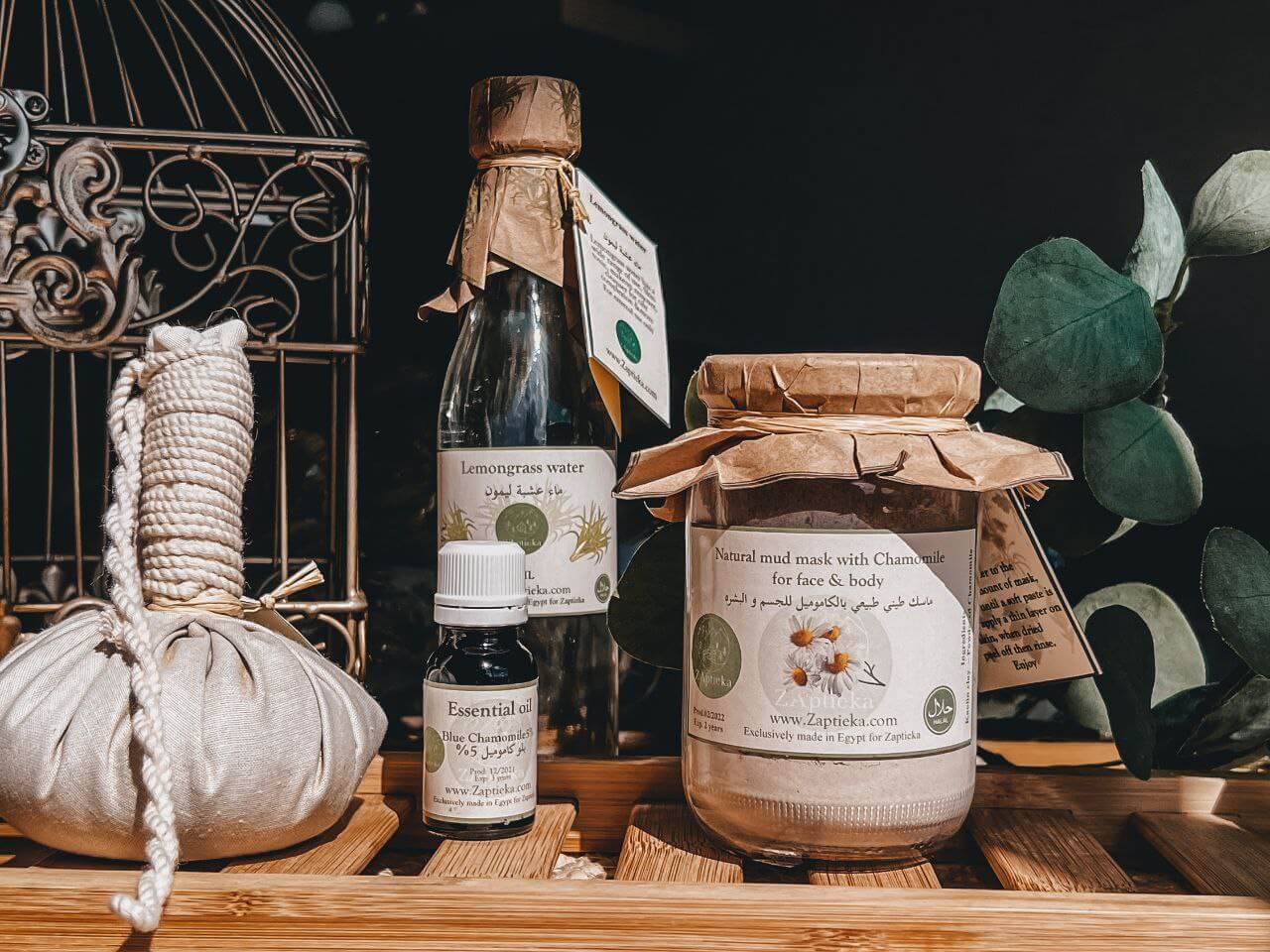
Eastern medicine rejects the use of artificial substances. All medicinal preparations are made only from natural herbs because Nature is considered the greatest healer. Every human organism is viewed as a unique, holistic system, and each patient receives an individual approach.
Prevent Disease, Not Just Treat It
Western medicine is medicine of diseases — treatment begins only when symptoms clearly appear and alarm bells are already ringing.
Eastern medicine focuses primarily on preserving physical and mental health, disease prevention and eliminating chronic illnesses. And it works.
For example, in China men suffer the least from prostate cancer, and women from breast cancer. But once they move to European countries, the risk of these diseases rises sharply because they adapt to the Western lifestyle, diet and medical system.
In the West, frequent sex is often considered prevention of “male diseases.” In the East, obsession with sex is avoided, and people are warned that promiscuity drains vital energy. Look at Tibetan monks — their lives are devoted to spiritual growth, discipline and restraint, and their remarkable health and longevity are known worldwide.
Statistics show that developed Western countries lead in cancer rates. Scientists connect this to consumer culture: unhealthy food, excessive alcohol consumption, obesity and lack of healthy routines.
Eastern philosophy values prevention, balance and harmony between body, mind and spirit.
Turning Toward the East
Historically, people in the East rarely drink alcohol, pay great attention to seasonal nutrition and healthy spices. They also remain deeply loyal to ancient traditions and family values, where spiritual growth is valued above greed and material gain.
The East introduced the world to the concept of “HALAL”.
Today, when Europeans see the halal symbol on products, they recognize it as a sign of high quality and ecological purity. But halal also includes deeper criteria: honesty, truthfulness and purity of production. Obtaining such certification is extremely difficult.
Famous actors, musicians, politicians and Olympic champions have long used massage therapy, acupuncture, cupping therapy and hijama to maintain their health, while also preferring halal products. The global turn toward Eastern approaches continues to grow.
So perhaps we should not deny Eastern medicine so harshly, but instead pay attention to its advantages?
Western Medicine
❌ Divides the human body into separate organs and systems.
❌ Treats symptoms rather than diseases.
✅ Quickly relieves symptoms.
❌ Treatment has many side effects and may significantly worsen the body's condition.
❌ High cost of treatment.
Eastern Medicine
✅ Thanks to a holistic approach, heals the entire body.
✅ Provides natural healing effects.
✅ Has no harmful side effects.
✅ Eliminates the root cause of disease rather than symptoms.
✅ Places enormous importance on prevention.
✅ Accessible to everyone regardless of income.